Laundry Symbols Meaning: How to Read Care Labels Without Ruining Clothes
If you have ever ruined a sweater, shrunk a shirt, or faded your favorite black tee, you are not alone. Most laundry mistakes start with one simple problem: unclear care labels. The good news is you d

By Olivia Perez
Tested and reviewed by hand7 min read
This is the cornerstone guide for Fabric Care - explore long-tail guides linked throughout.
Some product links in this guide are affiliate links. If you buy through them, I may earn a small commission at no extra cost to you. Affiliate policy.
Laundry Symbols Meaning: How to Read Care Labels Without Ruining Clothes
If you have ever ruined a sweater, shrunk a shirt, or faded your favorite black tee, you are not alone. Most laundry mistakes start with one simple problem: unclear care labels. The good news is you do not need to memorize dozens of icons to wash clothes correctly.
This guide breaks down laundry symbols into plain English and gives you a simple system you can use in under a minute before each load.
Disclosure: Some links below are affiliate links. If you buy through them, I may earn a commission at no extra cost to you. Details: Affiliate Disclosure.
Start here: Download your printable care-label cheat sheet and keep it by the washer so every load starts with the right settings.
Why Laundry Symbols Matter
Care labels are the fastest way to protect fabric, shape, and color. They tell you if an item can be machine washed, what temperature to use, whether bleach is safe, and how to dry or iron it. Ignoring these symbols usually leads to avoidable damage like shrinking, pilling, fading, or warped seams.
Quick Answer: Laundry Symbols Meaning
- Wash tub icon (
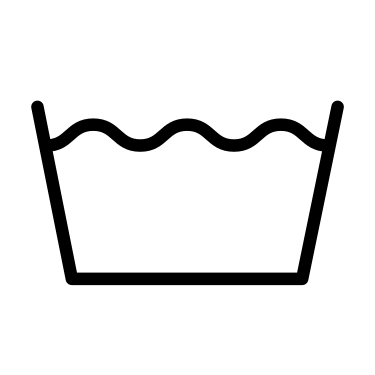 ): How to wash (machine, hand wash, or do not wash). Examples: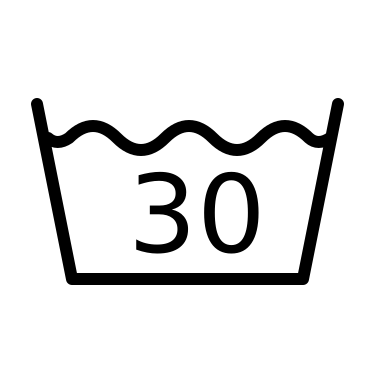
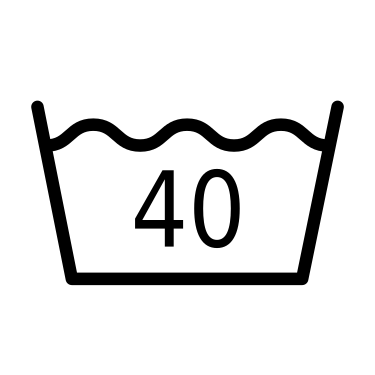
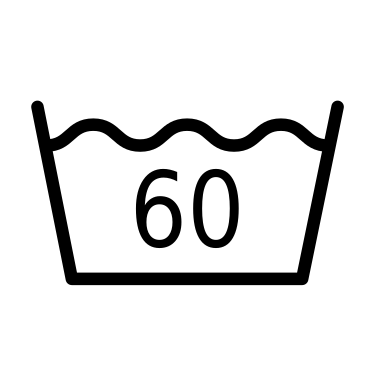
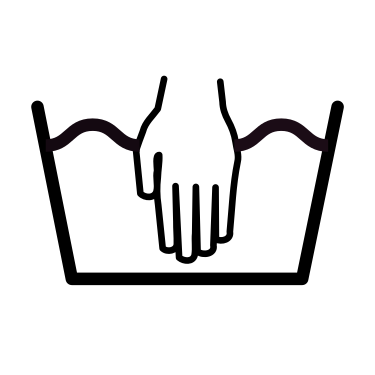
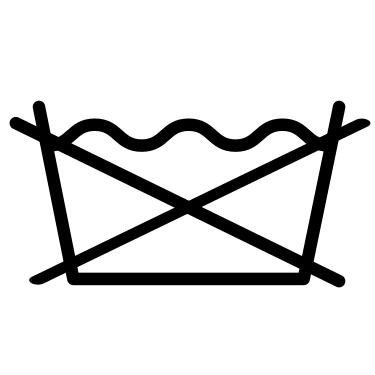
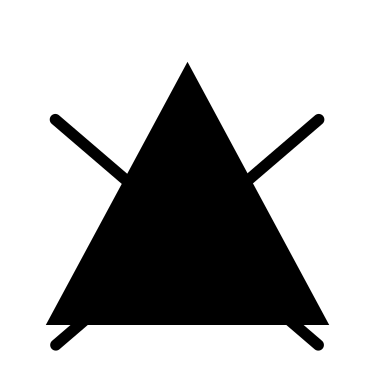
- Triangle icon (
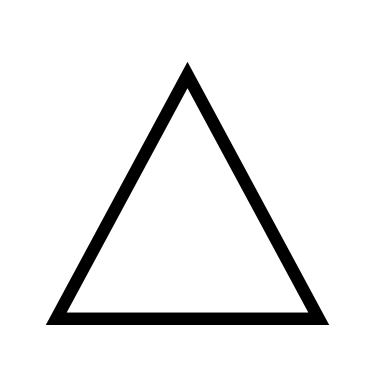 ): Bleach rules (allowed, non-chlorine only, or no bleach). Examples: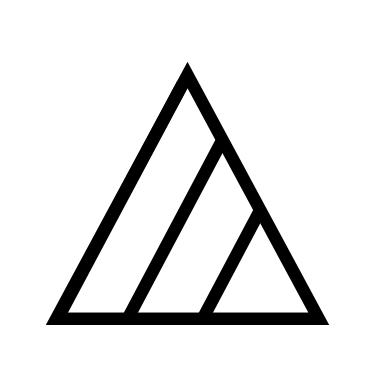
- Square icon (
 ): Drying method (tumble dry, line dry, flat dry, or no tumble). Examples: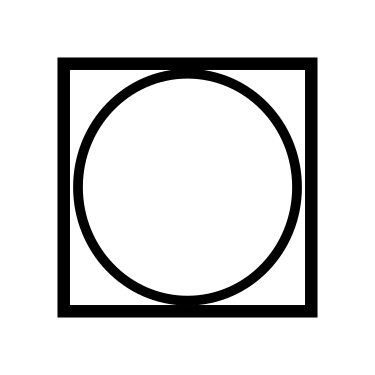
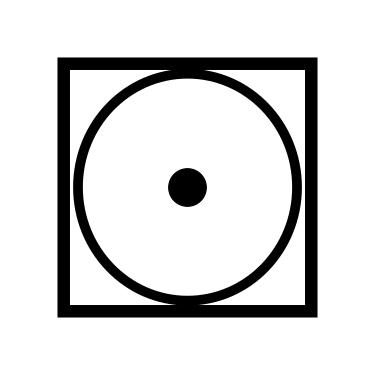
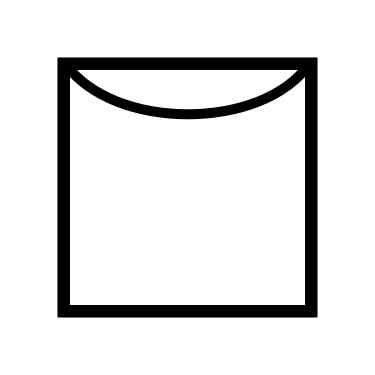

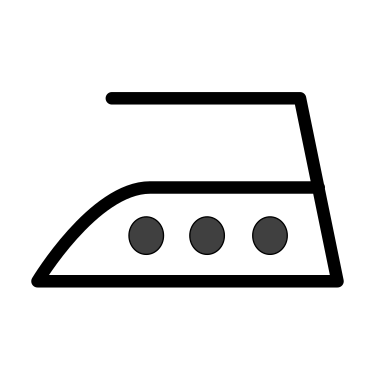
- Iron icon (
 ): Ironing allowed and heat level (one, two, or three dots). Examples: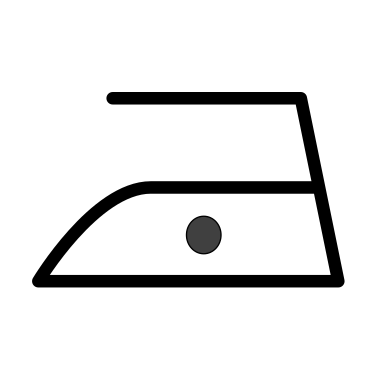
- Circle icon (
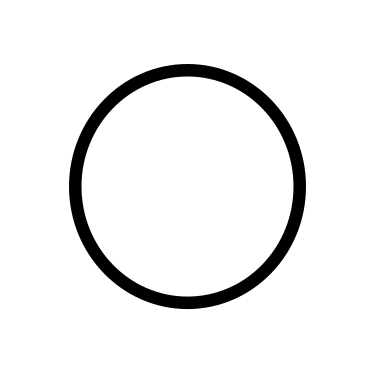 ): Dry-clean guidance. Examples: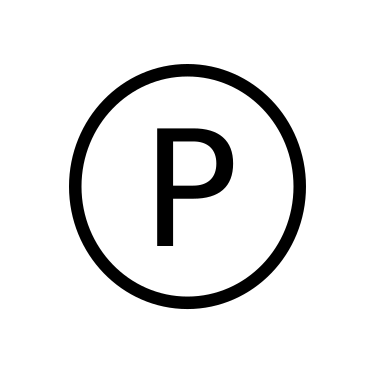
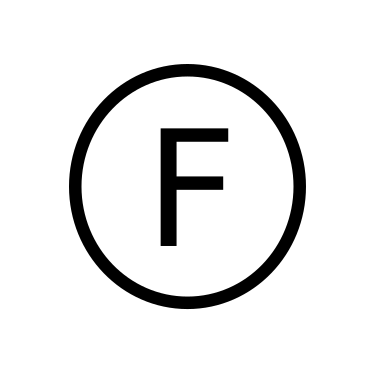
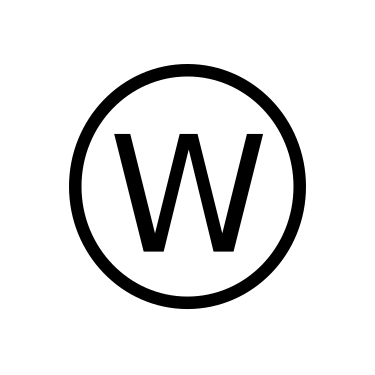
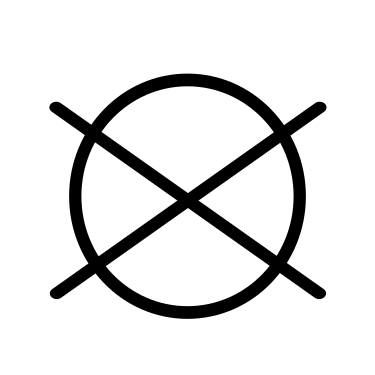
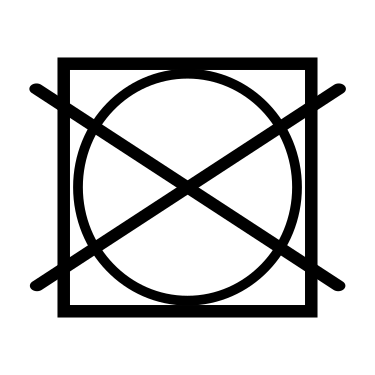
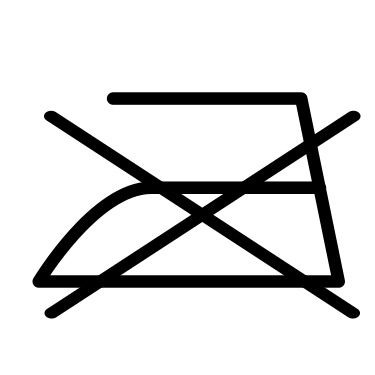
- Crossed symbol: Do not use that method.
Step 1: Start With the Wash Tub Symbol
The tub symbol is the most important one. If you see a number inside the tub, use that as your maximum wash temperature. A hand in the tub means hand wash only. A crossed-out tub means do not wash with water at all, usually dry clean only.
Step 2: Check the Triangle Before Using Bleach
A plain triangle means bleach is allowed. A triangle with diagonal lines means only non-chlorine bleach. A crossed-out triangle means skip bleach completely. Using the wrong bleach can weaken fibers and cause yellow patches.
Step 3: Read the Drying Symbol Carefully
A square with a circle means tumble dry is allowed. Dots indicate heat: one dot for low, two for medium, three for high. A crossed-out tumble icon means no machine dryer. For delicates, wool, or stretch fabrics, line or flat drying usually prevents shrink and distortion.
Step 4: Finish With Iron and Dry-Clean Icons
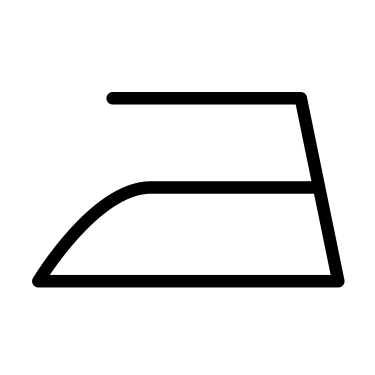
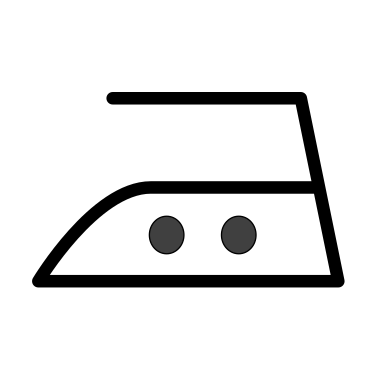
The iron symbol controls heat. One dot is low heat, two is medium, three is high. A crossed iron means no ironing. A plain circle indicates dry clean instructions, often for structured garments like blazers, coats, and some dresses.
Pro move: Build a two-basket system now: one basket for machine-safe everyday items, one for hand wash or no-tumble pieces. This prevents most accidental damage.
Best Options to Decode Laundry Symbols Faster
| Option | Best For | Main Benefit | Price Range |
|---|---|---|---|
| Printable symbol cheat sheet | Quick home reference | No guesswork on wash day | Free |
| Label scanning app | Busy routines | Instant interpretation by camera | Free-$5/month |
| Laundry basket sorting tags | Families and shared laundry | Prevents wrong cycle mistakes | $10-$20 |
Recommended Products (Affiliate)
- Laundry Symbols Cheat Sheet (Amazon)
- Mesh Laundry Bags for Delicates
- Wool Dryer Balls (Low-Heat Drying Support)
Mistakes to Avoid
- Using one default cycle for everything: Different fabrics need different water and agitation levels.
- Ignoring low-heat drying symbols: High heat causes most shrinkage complaints.
- Treating dry-clean symbols as optional: Structured or specialty fabrics can lose shape quickly.
Related Guides
- How to wash wool sweaters without shrinking
- Cold vs hot water for laundry
- What not to put in the dryer
When to Choose Machine Wash vs Hand Wash
Choose machine wash for durable cottons, denim, and everyday synthetics when the care label allows it. Choose hand wash for delicate knits, lace, and items marked with a hand symbol, especially when friction can stretch or snag fibers. If an item is expensive or sentimental, choose the gentler option even when both are allowed.
FAQ
What does one dot vs two dots mean on laundry symbols?
Dots indicate heat. One dot means low heat, two dots medium heat, and three dots high heat.
Can I ignore a no tumble dry symbol if I use low heat?
It is not recommended. A no tumble symbol means the fabric or garment construction may be damaged even at low heat.
Do all clothes need a care label check every wash?
You only need to learn each item once. After that, sort by your own system and re-check labels for unusual fabrics.
What if the label is missing?
Use a cautious method: cold water, gentle cycle, mild detergent, and air dry first. Then adjust after results.
Are laundry symbols the same worldwide?
Most symbols are standardized and very similar globally, but wording and small variations can differ by brand.
Final Takeaway
Laundry symbols are not complicated once you split them into five icon groups: wash, bleach, dry, iron, and dry clean. A 20-second label check can prevent expensive mistakes and keep clothes looking newer for longer.
CTA: Download your quick laundry symbols cheat sheet and keep it next to your washer.
Sources
- The Spruce: How to Read Laundry Symbols
- U.S. Department of Energy: Laundry Tips
- Better Homes and Gardens: Laundry Tips and Checklists
Related Articles
When This Method Works Best
Laundry Symbols Meaning: How to Read Care Labels Without Ruining Clothes works best when you match detergent strength, water temperature, and cycle intensity to fabric type. For high-value garments, run a low-risk test on a hidden area first and avoid high heat unless care labels explicitly allow it.
Common Mistakes to Avoid
- Using too much detergent, which leaves residue and can trap odor.
- Choosing high heat by default instead of checking care labels first.
- Skipping pre-treatment on visible stains and then rewashing repeatedly.
- Overloading the drum, which reduces mechanical cleaning efficiency.
Step-by-Step Quality Check
- Confirm fabric and care label symbols before the wash starts.
- Set the mildest effective cycle and correct water temperature.
- Inspect result after drying and adjust one variable at a time.
- Document what worked for future loads to keep outcomes consistent.
Quick FAQ Add-On
Can I repeat this process if results are only partial?
Yes. Repeat once with a controlled adjustment, such as stronger pre-treatment or longer soak time, rather than changing multiple variables at once.
What should I do if odor remains after one wash?
Use an odor-targeted pre-soak, reduce detergent dose to avoid buildup, and ensure complete drying airflow before storage.
Extra FAQ
What is the safest first adjustment if this method does not work?
Change only one variable first, usually temperature or pre-treatment strength, then test again to isolate what improves results.
How do I avoid fabric damage during repeat attempts?
Use lower heat, shorter cycles, and verify care labels before each retry. Avoid stacking multiple aggressive treatments in one wash.
Can hard water affect this process?
Yes. Hard water can reduce detergent effectiveness and leave residue, so dosing and rinse quality become more important.
Should I air dry or machine dry after treatment?
Air drying is safer for uncertain fabrics; machine dry only if label-safe and at the lowest effective heat setting.
How can I keep results consistent in future loads?
Save your successful settings (cycle, detergent amount, temperature, and drying method) and repeat that exact sequence.
More from Fabric Care
Does Fabric Softener Expire? (And What About Other Laundry Products)
Most laundry products do not have printed expiration dates, which creates confusion about whether old products are still effective or safe. The short answer: yes, fabric softener and most laundry prod
Fabric Softener vs. Dryer Sheets: What's the Difference?
Most people use either fabric softener or dryer sheets out of habit — picked up from a parent or just because it was on sale. But these two products work at different stages of the laundry process, do
What Fabrics Cannot Be Machine Washed?
What Fabrics Cannot Be Machine Washed? gets easier when you sort by fabric behavior instead of treating every garment the same.